Saving Lives Through Timely Maternal Care

When a woman discovers she is pregnant, her mind begins to imagine the day she will finally hold her baby in her hands. It is a quiet hope that grows with every passing month, a picture of love, joy and new life that she carries long before the child is born.

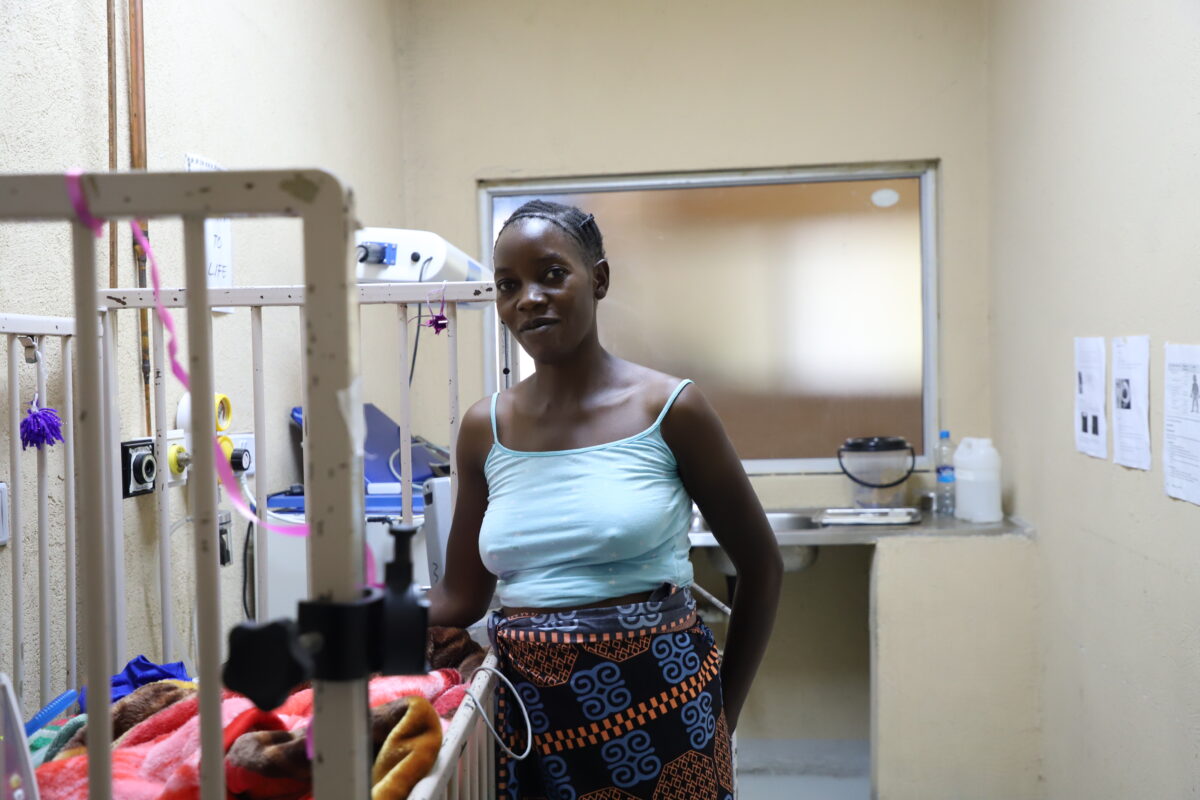
For Eneless, a 37-year-old woman from Mwandi District, this dream had been broken four times through painful miscarriages. Each loss left her with heartbreak and hopelessness about whether she would ever experience the joy of motherhood.

“I had lost hope after so many miscarriages; I wondered if I would ever carry my baby in my arms” she recalls.

After becoming pregnant for a fifth time, Eneless made a routine visit to Lutaba Mini Hospital during a health outreach activity conducted through Access to Health Zambia’s (A2HealthZ) Children and Mothers Partnership (CHAMPS) Program. With support from CMMB – Healthier Lives Worldwide, A2HealthZ conducts maternal and child health outreach activities that bring essential healthcare services closer to communities, helping ensure that pregnant women receive timely care, are screened for potential complications, deliver safely at health facilities and receive support throughout the postnatal period.

It was during an outreach that a scan was conducted for Eneless, marking a turning point in her pregnancy journey. An ultrasound scan revealed that she had a shortened cervix, a condition that increases the risk of pregnancy loss and preterm birth.

The diagnosis helped health workers better understand the risks affecting her pregnancy. With the cause finally identified, health workers immediately referred Eneless to Mwandi Mission Hospital for closer monitoring and later to Livingstone General Hospital for specialized care.

However, in her seventh month of pregnancy, Eneless later returned to Mwandi Mission Hospital, where the health team made a crucial decision to accommodate her at the Mother’s Shelter within the Mwandi Mission Hospital premises.

A few days later, her condition became critical. The placenta detached prematurely and she began to bleed heavily. Fortunately, the situation was quickly detected through urgent clinical assessment using an ultrasound scanning machine.

The scan showed that the baby was in distress and required urgent intervention. Without wasting time, the medical team at Mwandi Mission Hospital proceeded with an emergency cesarean section to save both mother and child.

“I was very scared when they told me I had to go for a caesarean section, I just prayed that both my baby and I would be safe.”

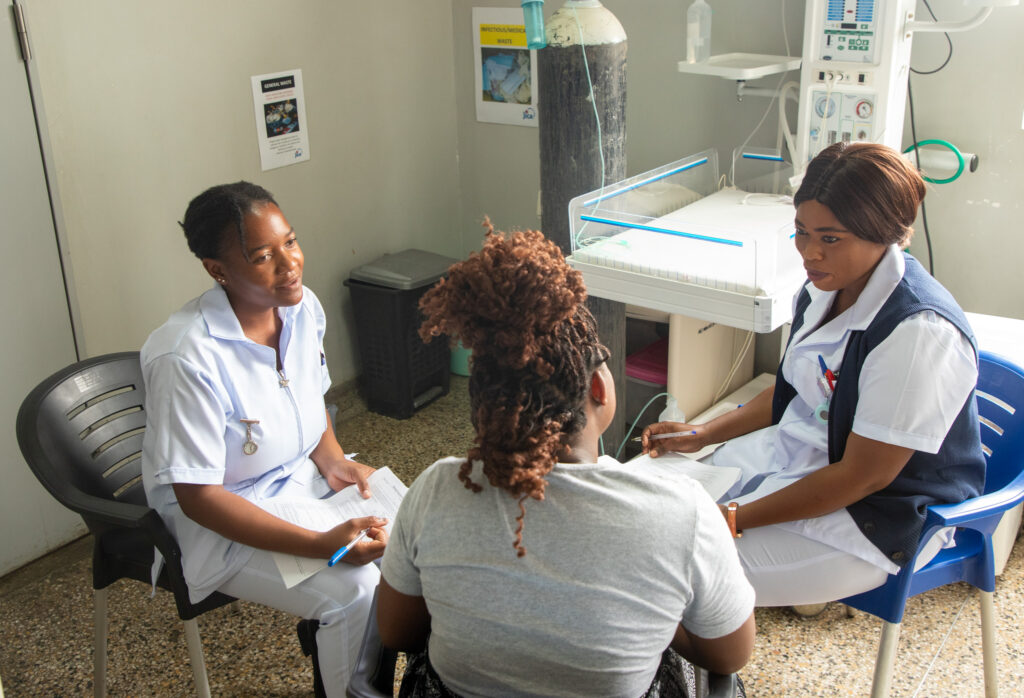
The operation was successful and Eneless safely delivered a baby boy weighing 1.2 kilograms. Due to his low birth weight and need for specialized care, the newborn was admitted to the NICU (Neonatal Intensive Care Unit), where was closely monitored. His care was supported using a warmer/incubator system donated by Access to Medicines – CMMB, which helped regulate his body temperature and improve his chances of survival.
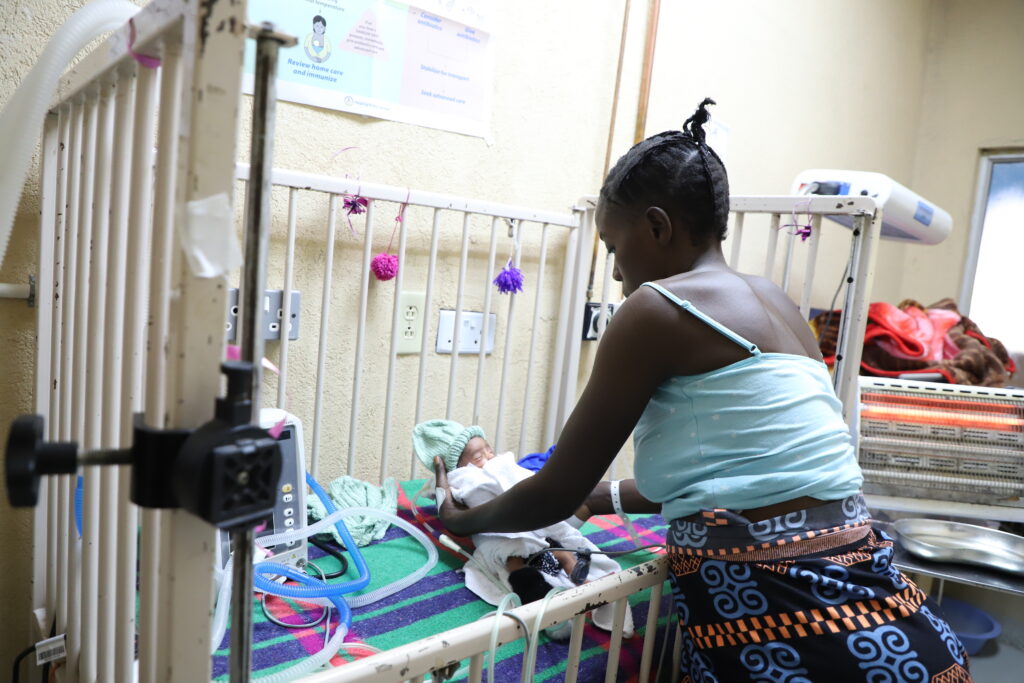
Thanks to timely detection, rapid medical intervention, and access to lifesaving ultrasound technology and neonatal care equipment, both Eneless and her baby recovered well. Today, they have been discharged from the hospital and are back home together. What could have become another tragic loss instead became a story of hope and the life-saving impact of health outreach activities in rural communities.

“I am grateful to God and the health workers who helped save me and my baby. After waiting for so many years, I finally have the chance to hold my baby in my arms and experience the joy of motherhood.”
Strengthening Biomedical Systems to Improve Access to Health Care

In many developing countries, nearly 70% of medical equipment is nonfunctional due to a lack of manpower, technical support and sustainable maintenance systems (World Health Organization).

This situation places significant strain on already overstretched health systems, where simple technical failures can interrupt critical services such as diagnosis, monitoring and emergency care. As a result, patients are often forced to travel long distances or face delays in receiving essential treatment, further widening gaps in access to quality healthcare.

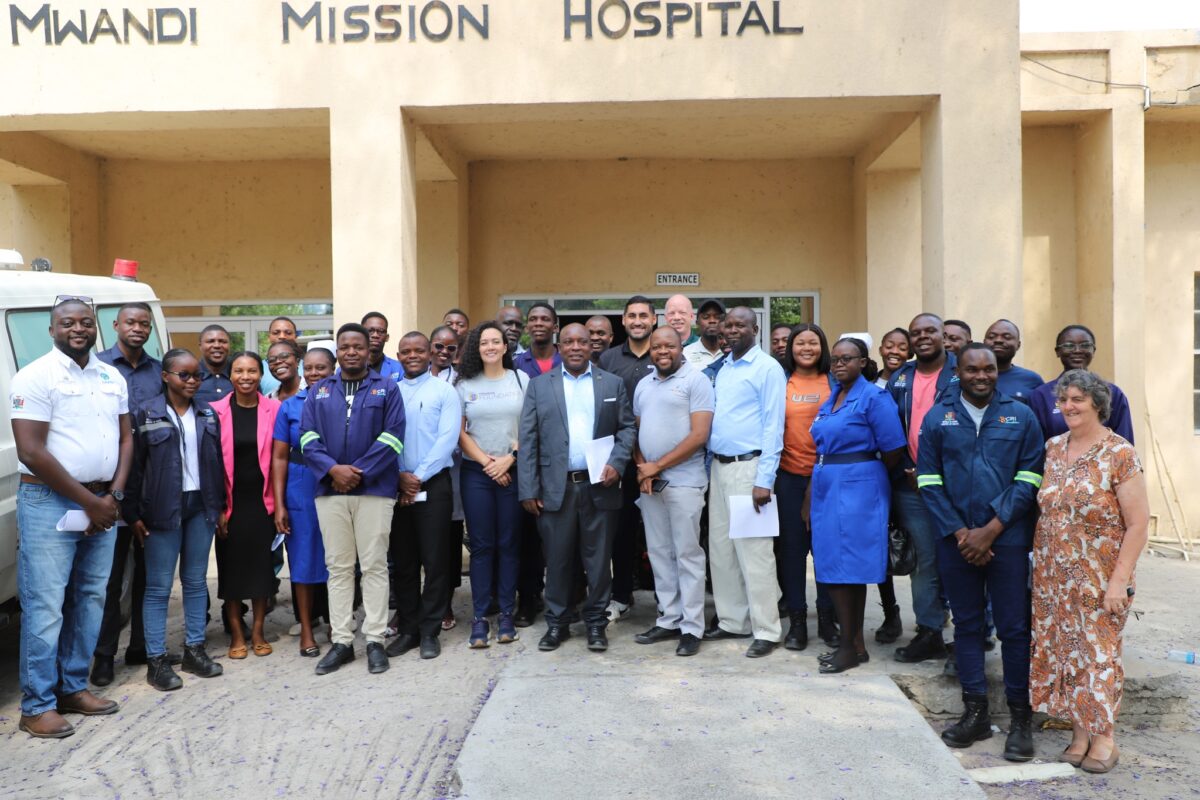
To address this gap and strengthen the capacity of local health systems, in October 2025, Access to Health Zambia (A2HealthZ), with financial support from CMMB, conducted a Medical Equipment Repair and Capacity Building Training at Mwandi Mission Hospital.

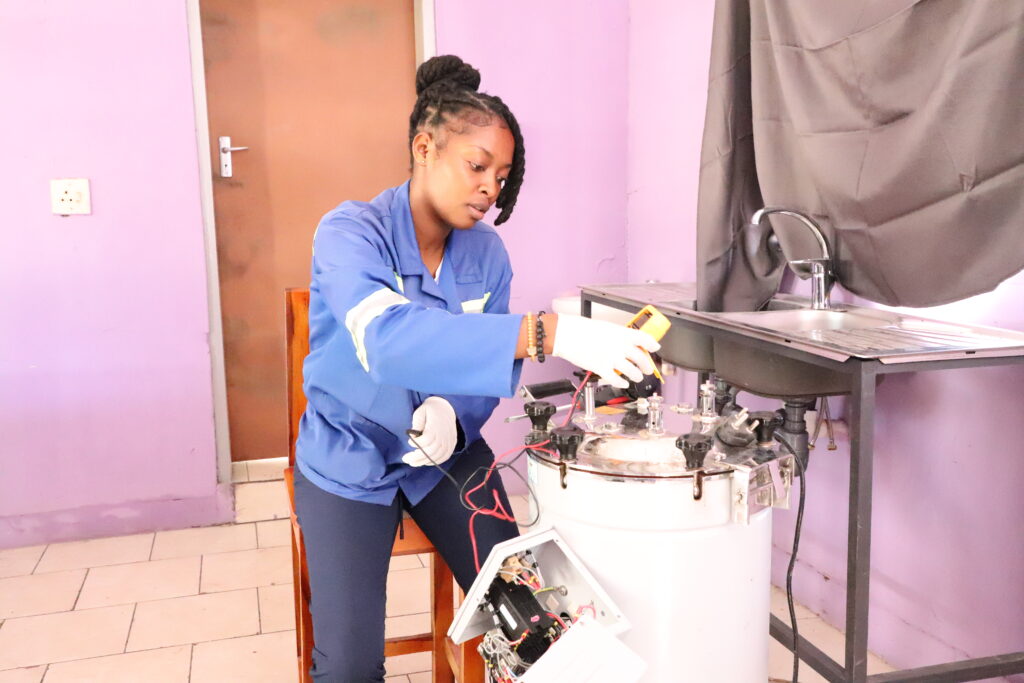
Facilitated by the TRIMEDX Foundation, the training was designed to equip Biomedical Technologists with practical skills in calibrating, troubleshooting, repair and preventive maintenance of medical equipment, as well as effective communication with healthcare staff and hospital management. It brought together thirteen Biomedical Equipment Technologists from rural health facilities across Western Province.

Six Months after the training, A2HealthZ followed up with the trained biomedical technologists to document the lasting impact on equipment uptime, clinical service delivery, and health system resilience. What emerged was a story of strengthened confidence, improved collaboration, and tangible institutional change.

Voices From the Trained Biomedical Engineers:

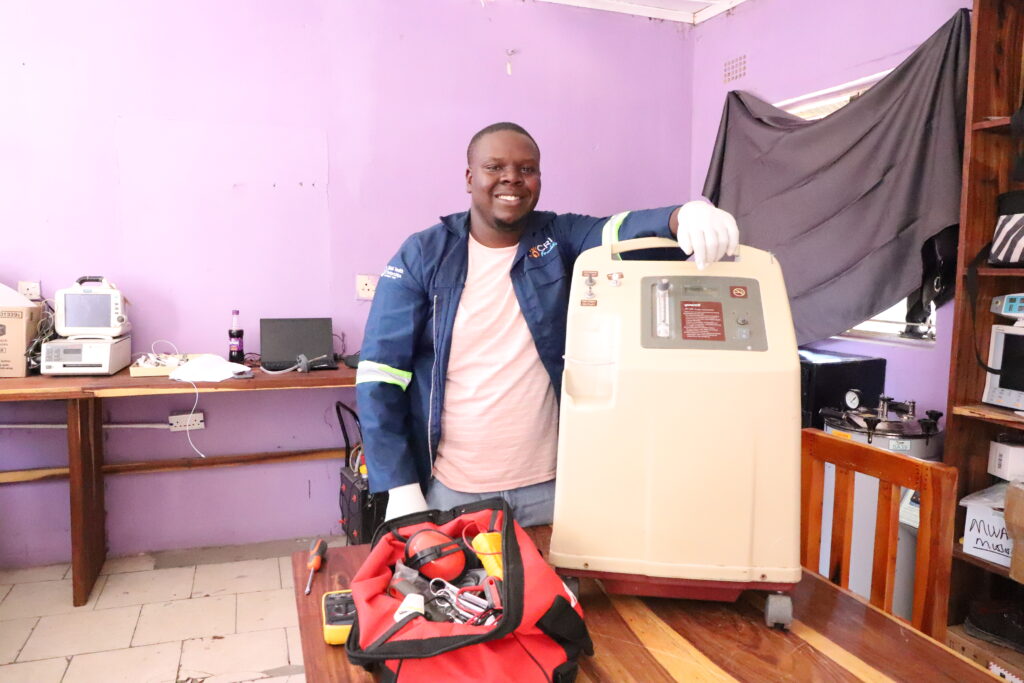
Suzyo, a Biomedical Technologist at Mwandi Mission Hospital, shared how the training has directly improved her technical skills and daily work.

Suzyo, Biomedical Engineering Technologist – Mwandi Mission Hospital

“Before the training, we experienced constant breakdowns of medical equipment. Many machines would remain out of service for long periods. As a department, we had limited capacity to repair them quickly and no dedicated budget for spare parts,” she explained.

“This often disrupted service delivery, delaying diagnosis and treatment for patients who depend on equipment such as patient monitors, ultrasound machines and oxygen concentrators,” she adds.

Since attending the training, Suzyo’s ability to respond to faulty medical equipment has significantly improved. “The practical sessions really helped me understand how these machines work and I can now identify problems faster and fix them before they cause long downtime.”

Sherman, a Biomedical Technologist from Lwampa District Hospital in Luampa District, shared how the training has strengthened both his technical ability and confidence in handling equipment repairs.

Sherman, Biomedical Engineering Technologist – Lwampa District Hospital

“Before the training, I used to struggle with troubleshooting and I wasn’t confident in my decisions. I also found it difficult to approach management about equipment issues,” he said.

Since the training, Sherman’s ability to diagnose and repair equipment has greatly improved,

“Now I am able to troubleshoot equipment much more effectively and carry out repairs with confidence,” he explained. “I can quickly identify problems, fix faults and restore equipment back into service.”

“I am very grateful to A2HealthZ for the training. The facilitators didn’t just teach us how to repair machines they helped me understand how to think through problems and apply practical solutions. This has completely changed how I approach my work.”

Voice from Hospital Management:

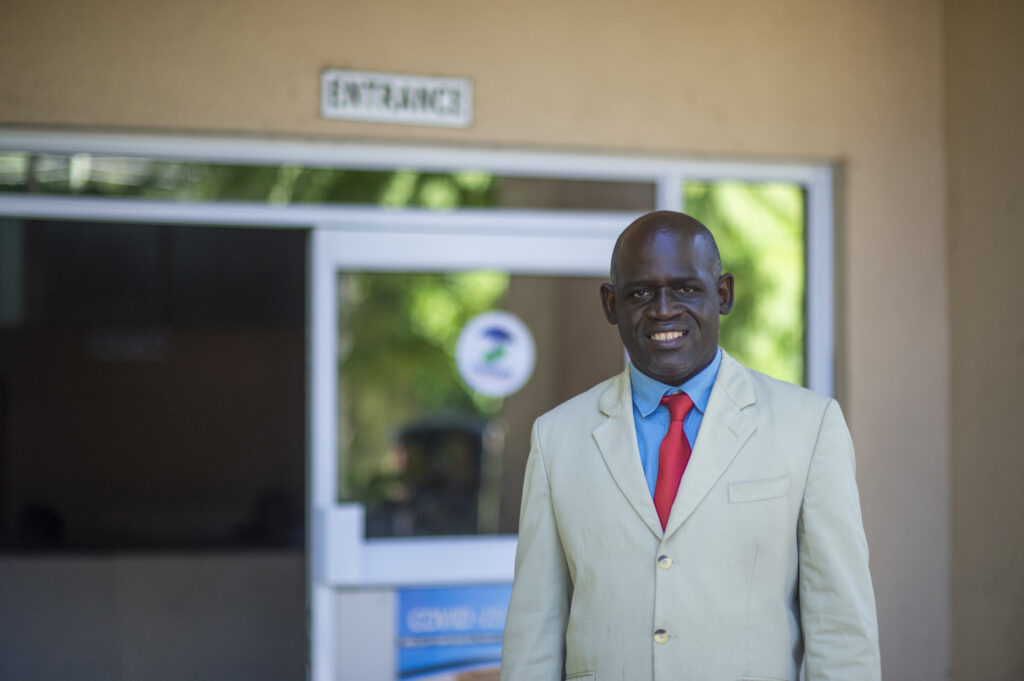
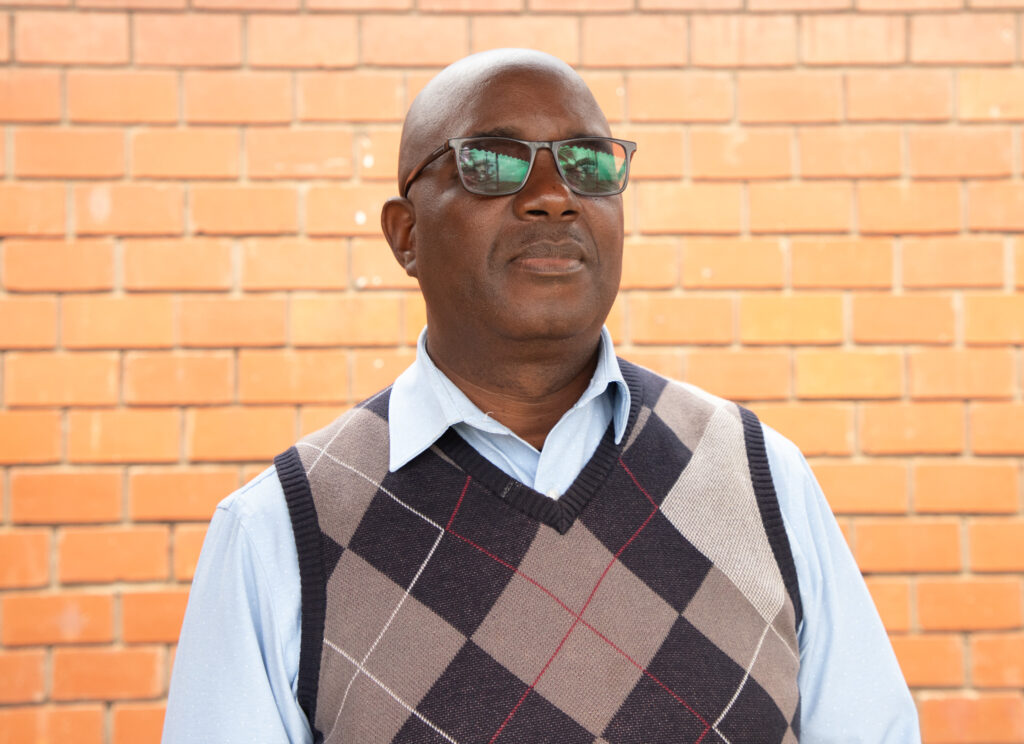
Harold Haamumba, Senior Hospital Administrator – Mwandi Mission Hospital

Pastor Harold, Senior Hospital Administrator at Mwandi Mission Hospital, highlighted how the initiative has transformed their approach to equipment management.

“We are very grateful for the training to A2HealthZ, CMMB and TRIMEDX Foundation. The training was hands-on and focused on practical skills, which our team needed. Many of our biomedical staff are young and new to the field. Hence, it gave our team real exposure. It built their confidence and skills in a very practical way.”

“As a mission hospital, we receive a lot of equipment from the United States. Some of it is not commonly available locally, which makes maintenance challenging. The training provided the specific orientation and skills we needed to manage such equipment effectively.”

One of the most significant outcomes is that the training sparked a shift in perception across the hospital. “Previously, we only looked for funds when equipment broke down, he said. “But now, for the first time, we have set aside $250 every month specifically for repair and preventive maintenance.”

This initiative demonstrates what strong partnerships can achieve when shared expertise and investment in local capacity come together to address real challenges on the ground. Through such partnerships, it is possible to build sustainable solutions that not only strengthen skills but also improve service delivery and ultimately enhance health outcomes for communities.

A2HealthZ extends its gratitude to TRIMEDX Foundation for their invaluable partnership, technical support, and commitment to strengthening health systems, which made this intervention possible.

Strengthening Mental Health Care Through the ‘Buddy System’

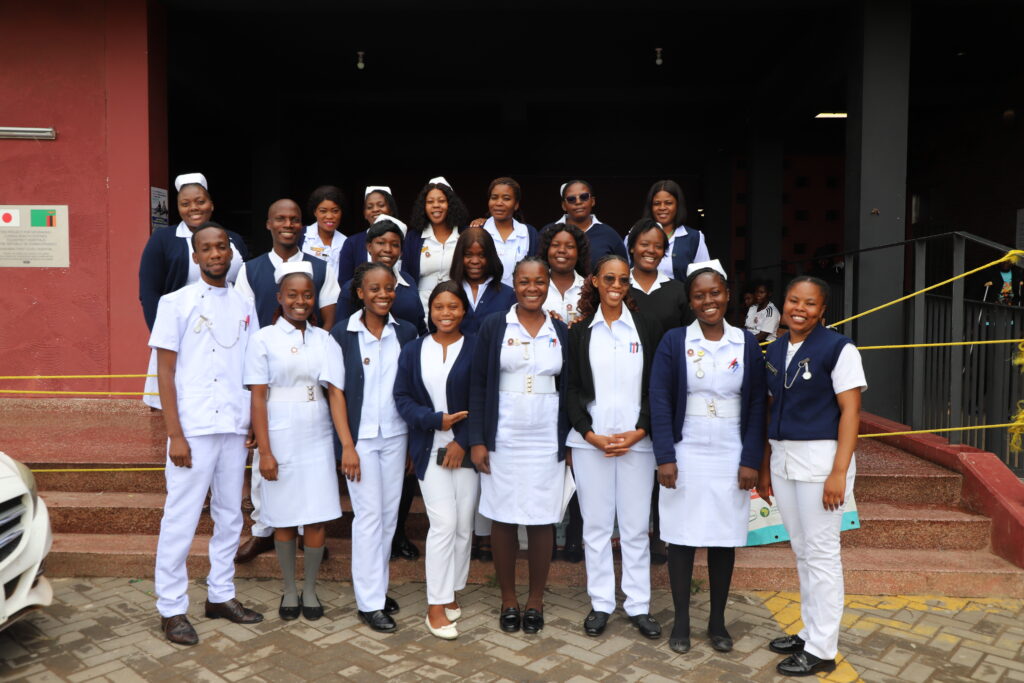
Participants of the Mental Health Buddy System at Kanyama Level 1 Hospital

Mental health conditions are among the leading causes of illness worldwide, affecting millions every year. According to the World Health Organization, one in every eight people globally lives with a mental health condition. In many health facilities, patients often seek help for physical symptoms, while underlying mental health challenges remain unnoticed or untreated.

For health workers on the frontlines, recognizing early signs of mental health challenges can make a significant difference in the quality of care patients receive. However, many staff working outside specialized mental health units may not have the training or exposure needed to identify symptoms, provide basic psychosocial support, or refer patients appropriately.

To help strengthen mental health care, Access to Health Zambia with support from Christian Connections for International Health is working with staff across departments at Kanyama Level 1 Hospital to build awareness and confidence in recognizing and responding to mental health concerns through the Mental Health Buddy System initiative.

The Buddy System is a peer-learning program that pairs mental health volunteers with staff from other hospital departments. Currently, six trained mental health volunteers are working with seventeen staff members through structured weekly learning cycles.

During the first week, volunteers introduce their buddies to basic mental health concepts, common conditions, early warning signs, screening tools used in the Mental Health Unit, and referral pathways. In the second week, trained staff share what they have learned with colleagues in their departments, spreading awareness and reinforcing learning. From the third week onward, new staff are introduced to mental health concepts, trained staff mentor others, and volunteers continue to provide guidance gradually embedding a culture of mental health awareness throughout the hospital.

Facklin Musanje, Mental Health Unit Coordinator for Kanyama Sub-District, highlights the impact of the initiative:

“We are grateful to Access to Health Zambia for impacting the way we care for patients. It is important for all health workers, even those not specialized in mental health; to have basic knowledge so they can identify conditions early. The Buddy System has been extremely helpful, allowing staff from different wards to recognize patients in need and refer them to the Mental Health Unit for appropriate care. I hope this initiative continues for a long time.”

For staff participating as buddies, the program has benefits them beyond the hospital walls:

“We are grateful to Access to Health Zambia for this initiative. The knowledge we have gained helps us identify mental health issues not only in patients at the hospital but also in our families, enabling us to refer them to the Mental Health Unit for the right care.”

By fostering peer learning and collaboration, the Buddy System is helping make mental health an integral part of patient care. With improved identification, timely referrals, and stronger collaboration between departments, this initiative is strengthening mental health care at Kanyama Level 1 Hospital and ensuring that patients receive the attention and support they deserve.

Women’s Month Spotlight

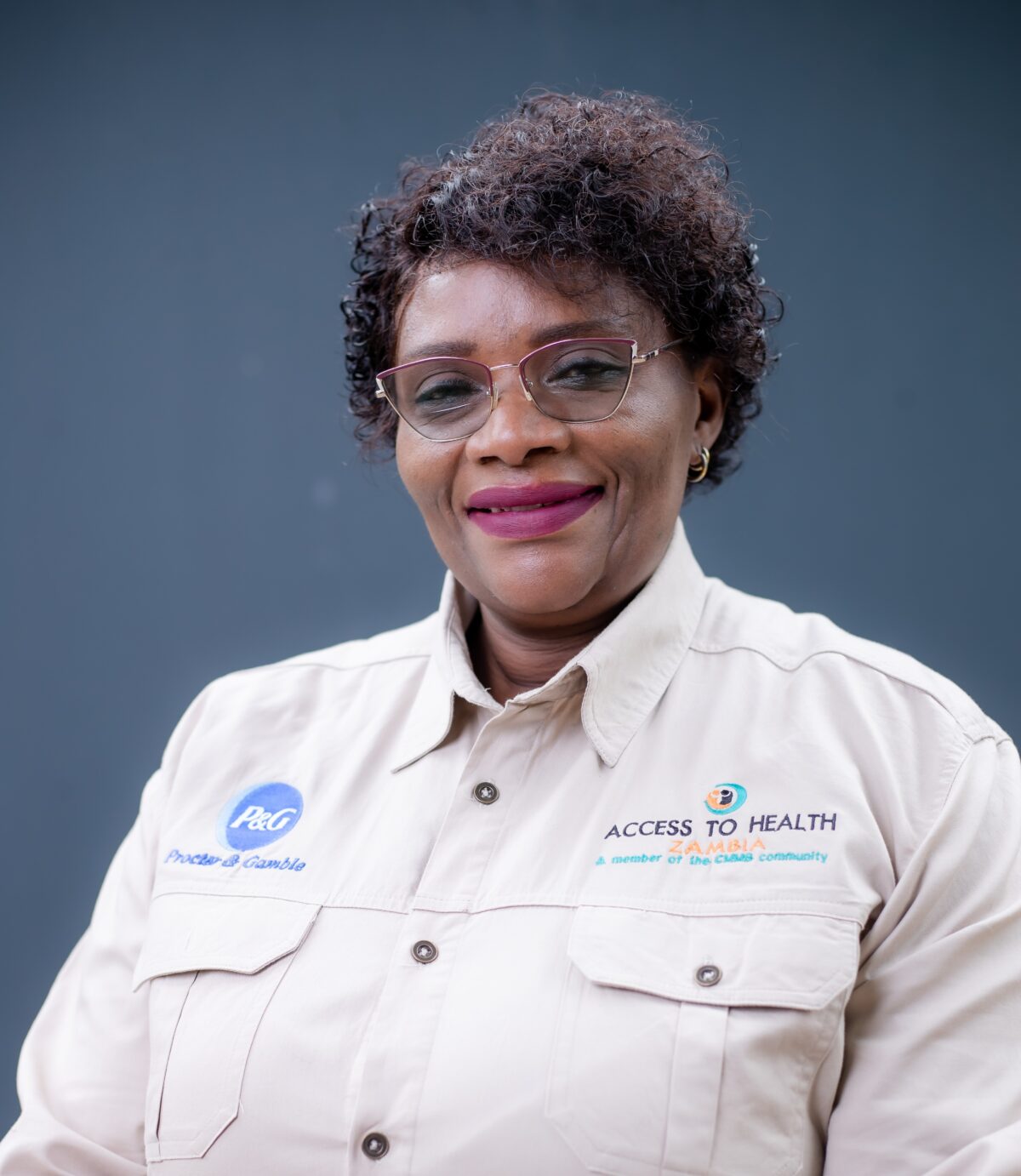
This Women’s Month, Access to Health Zambia celebrates the incredible women whose passion, leadership, and dedication continue to drive positive change within the organization and the communities we serve. Among these remarkable women is Brenda Phiri, one of our longest-serving employees and a member of the Management Team, whose commitment and leadership have played a vital role in advancing our mission.

Brenda’s journey with Access to Health Zambia (A2HealthZ), formerly known as CMMB, spans 14 years. A nurse by profession, she holds a Degree in Guidance and Counselling and a Master’s in Public Health. Her career with A2HealthZ began when she was deployed to Luapula Province as a Provincial Coordinator under the Zambian-led Prevention Initiative (ZPI). Over the years, her dedication and leadership have seen her take on key roles, including managing projects such as the COMMUNITY RISING, Support an AIDS Free Era (SAFE) and DETERMINED RESILIENT EMPOWERED AIDS-FREE, MENTORED AND SAFE WOMEN (DREAMS), working closely with communities to improve health outcomes and strengthen health systems.

Today, she serves as the Maternal, Newborn, and Child Health (MNCH) Technical Advisor, providing technical guidance to enhance care for women and children across supported facilities.

Reflecting on her long tenure, Brenda has drawn inspiration from the organization’s purpose, finding motivation in the positive difference it makes every day.

“For fourteen years, I have been driven by the mission to deliver locally sustainable, quality health solutions to women, children, and their communities. This work is more than a job to me; it is my passion.”

Her transition from hospital nursing to the Non-Governmental Organization sector allowed her to address health challenges on a broader scale. Through this work, she has witnessed firsthand the life-saving impact of community health initiatives.

“One of my most memorable experiences has been working on the CHAMPS Kanyama Project (CHILDREN AND MOTHERS PARTNERSHIPS (CHAMPS), where I witnessed a significant reduction in maternal and neonatal deaths following A2HealthZ’s support to Kanyama Level One Hospital and surrounding health facilities. Recording zero maternal and neonatal deaths in 2025 means so much to me. Behind this statistic are women whose lives were saved, children given a chance to be born, and families strengthened,” Brenda shares.

For Brenda, this experience reinforces the power of women supporting one another. She believes that empowering women creates a ripple effect that touches entire generations. As International Women’s Day 2026 approaches, she calls on women to lift each other up and embrace the power of support.

“This year’s Women’s Day theme, ‘Give To Gain,’ reminds us that every act of support through mentorship, education, opportunities, or guidance strengthens not just individual women, but families, communities, and society as a whole.”

Transforming Lives and Families Through Savings Groups

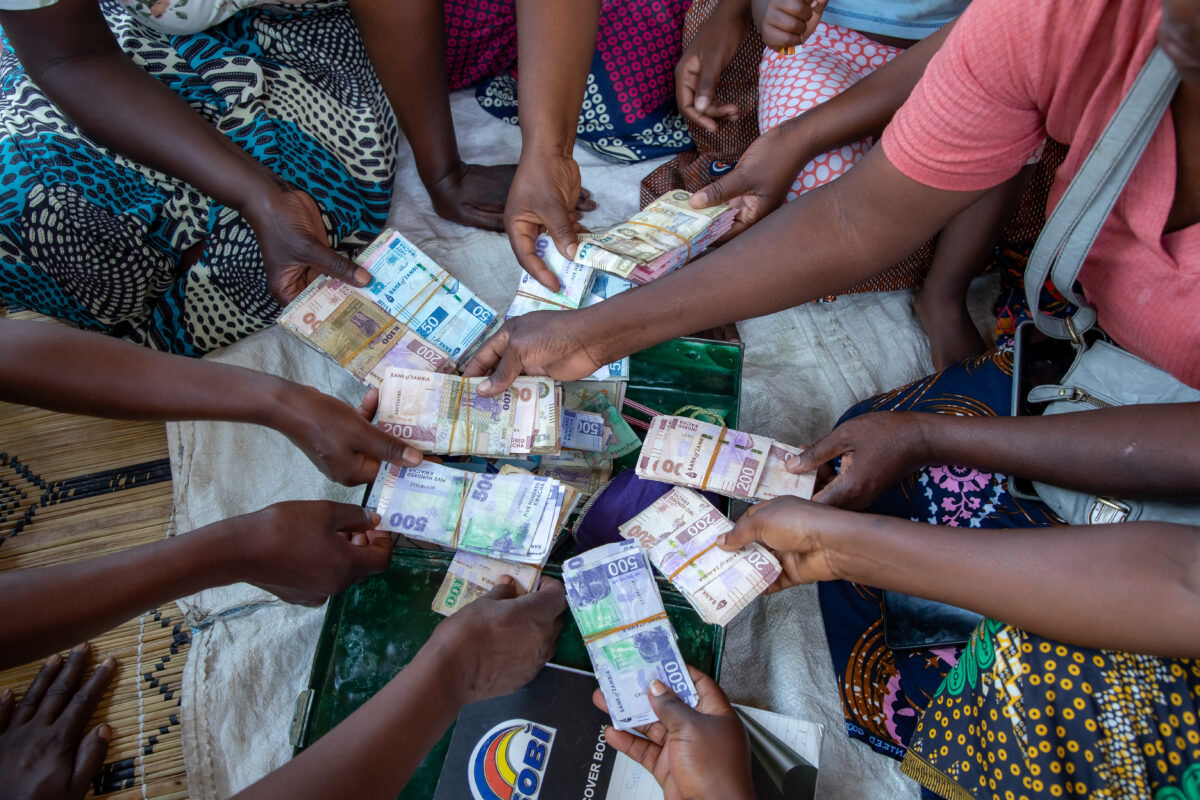
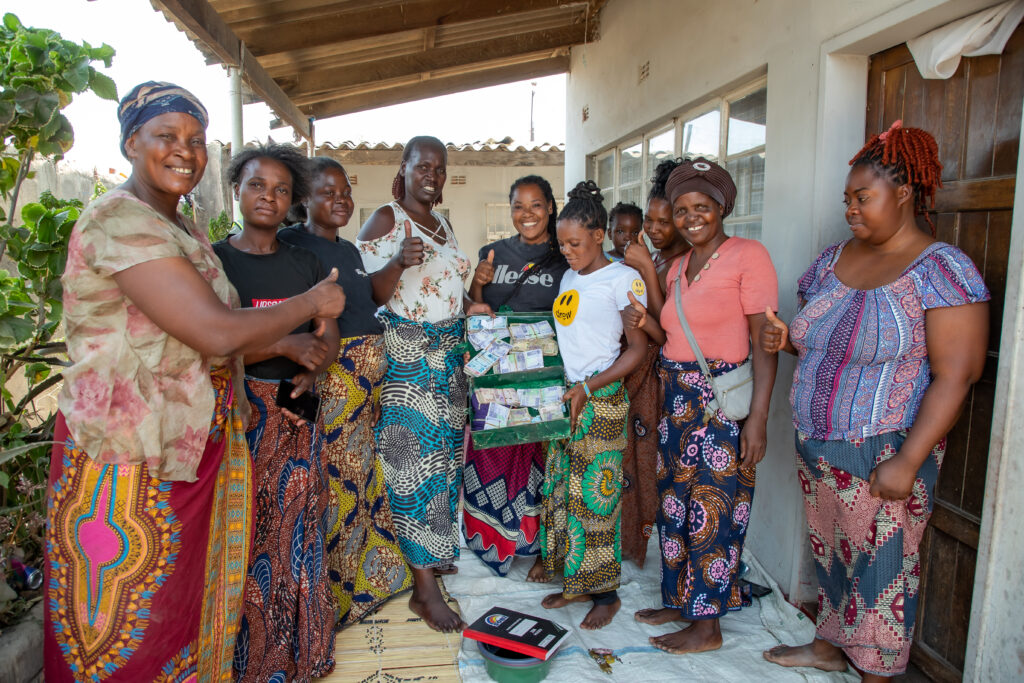
Keeping children within loving and supportive families is essential for their growth, development, and well-being. Family separation often arises from economic hardship, unemployment, or other challenges that make it difficult for parents to provide for their children. Recognizing this, Access to Health Zambia, through its Kusamala Project, initiated community savings groups in Kanyama, Chawama, Misisi communities in Lusaka, and Makululu in Kabwe District. These groups aim to empower women financially, enabling them to support their families and prevent children from being separated due to poverty.

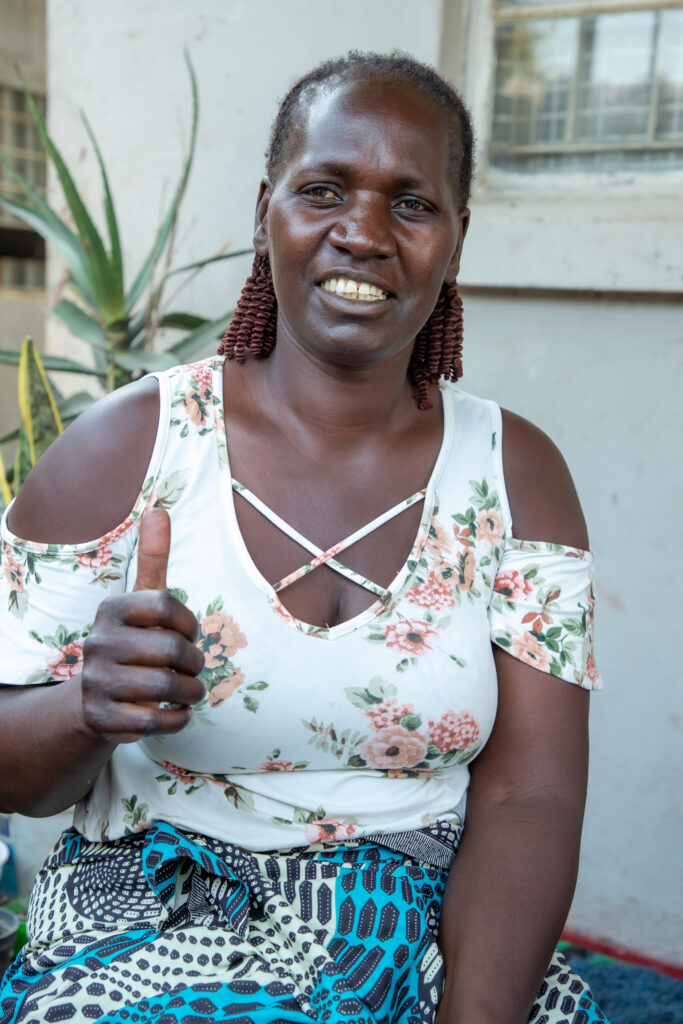
One such success story is that of Helen Phiri, the treasurer of the Chiyambi Savings Group in Chawama community, a community-led initiative of 30 women established under the Kusamala Project. Helen joined the group in 2023 during one of the most challenging periods of her life. Her husband had been unemployed for nearly eight years, and meeting basic family needs was a daily struggle.

“There were days I did not know how we would manage; life was really hard, and I struggled to provide for my children,” Helen recalls.

Through the savings group, Helen accessed financial support and started a rice-selling business. The profits from her business have helped cover household expenses and ensure that her children receive education, proper nutrition, and a stable home environment.

“Through the savings group, I was able to start a rice business, which continues to provide a reliable income for my family. This has enabled me to raise all my children under one roof and support their needs every day,” she shares.

Helen also benefited from the Kusamala Project’s financial literacy training, which transformed her approach to money management. She learned budgeting, saving, and long-term planning skills that have allowed her to take control of her finances and make confident decisions for her family’s future.

“The financial literacy training changed my life. I learned how to manage money wisely, plan for my family, and invest in opportunities that can improve our lives,” Helen explains.

Beyond immediate financial relief, Helen has used her savings to purchase building materials for a plot of land she and her husband had long owned but could not develop due to lack of funds. She looks forward to the upcoming savings group share-out, which will allow her to complete the project and further improve her household’s living conditions.

“I am very grateful to GHR Foundation and Access to Health Zambia through the Kusamala Project for this initiative. It has not only helped me financially but also strengthened my family. My prayer is that they continue empowering women in other communities, especially those who are struggling as I once was, so they too can build better lives for their children,” she adds.

Reflecting on 2025 and Looking Ahead to 2026

As we see the end of 2025 and the start of 2026, it is the perfect moment to pause and reflect on a year marked by both the remarkable achievements and challenges that we have faced at Access to Health Zambia (A2HealthZ).

The last year tested us in many ways from navigating through a shifting funding landscape to adapting to this new environment and landscape. We lost some programs which in some cases meant saying goodbye to colleagues whose dedication has been central to our work. Yet through it all, our staff, volunteers, and partners remained committed and passionate, enabling us to reach thousands of lives, empower families, and strengthen communities across the country making them and ourselves more resilient! Despite these challenges, 2025 has also been a year of impact and innovation. We are proud to highlight just a few of the achievements from our work:

Through the Children and Mothers Partnership (CHAMPS) in Mwandi, over 22,000 pregnant women received antenatal care and delivered safely, while more than 122,000 children under five benefited from early and consistent follow-up care. Meanwhile, CHAMPS Lusaka reached 130,388 individuals with essential health services, including 19,793 pregnant women and 110,595 children under five. Notably, 18,559 pregnant women delivered in health facilities with skilled health personnel, and 2,307 women received their first antenatal care within 14 weeks reflecting strengthened maternal and child health services.

These numbers represent more than statistics. They are lives touched, communities strengthened, and futures changed!

In partnership with the Ministry of Health an innovation also marked our groundbreaking mental health initiatives, introducing PSYPACK, a digital application for comprehensive mental health assessments in the community and especially the Maternal Health Unit at Kanyama Level One Hospital in Lusaka, a hospital that covers a population of more than 600,000 people.

Our Cervical Cancer Projects reaching 8,956 women cervical cancer screening, and 6,403 adolescent girls vaccinated against the human papillomavirus (HPV). In addition, over 196,000 community members were reached through awareness campaigns, outreach, and education. In partnership with the Bristol Meyers Squibb Foundation (BMSF) as we implemented the Multinational Lung Cancer Control Project Zambia (MLCCP) we trained 34 Community Health Workers and 20 healthcare professionals, reaching 25,428 people with lung cancer awareness and education.

Across all our programs, our focus has remained on delivering integrated, context-responsive services that strengthen health systems, empower communities, and address long-term health needs. From maternal and child health to mental health, cancer screening, HIV and AIDS, reaching children with disabilities and the protection of children’s rights, our work continues to create sustainable impact.

To all our staff, community volunteers, partners, stakeholders, and supporters, thank you for your trust, guidance, and collaboration throughout the last year. With God leading and guiding us, we look forward to more in this new year!

To the communities we serve, you remain at the heart of everything we do.

May this year bring renewed hope, value, strength and joy for a healthy, prosperous, and impactful 2026.

With sincere gratitude,

Batuke Walusiku-Mwewa
Chief Executive Officer
Access to Health Zambia

Improving Nutrition for Children with Disabilities and those in Childcare Facilities in Zambia: A Call to Action

Nutrition plays a critical role in a child’s development, yet many children—especially those with disabilities and those living in childcare facilities—still face significant barriers to receiving the nourishment they need to grow and thrive.

On 4th February 2025, Access to Health Zambia, in partnership with SPOON, conducted a dissemination meeting at Mika Kabulonga to share the findings from a study on improving nutrition and feeding for children with disabilities and those in childcare facilities in Zambia.

The event brought together key stakeholders, including representatives from the Ministry of Health, the Ministry of Community Development and Social Services, National Food and Nutrition Commission, and various civil society organizations. All united by the shared goal of improving nutrition for children with disabilities and those in childcare facilities or at risk of family separation.

During the event, Access to Health Zambia’s Chief Executive Officer, Mrs. Batuke Walusiku-Mwewa, recommended the collective efforts of SPOON and key government partners, including the Ministry of Community Development and Social Services and the Ministry of Health, in working towards improving the nutrition and feeding of vulnerable children.

“Every child, regardless of ability or circumstance, deserves access to adequate nutrition and care,” emphasized Mrs. Walusiku-Mwewa, calling on all stakeholders to move beyond discussions and take actionable steps toward addressing the nutrition and feeding challenges faced by children with disabilities and those in residential care. She reinforced the importance of collective responsibility to ensure no child is left behind.

Carolyn Moore, SPOON’s Director of Policy and Advocacy, echoed this urgency, emphasizing the importance of disability inclusion in nutrition programs. She highlighted Count Me In, a digital tool designed to improve nutrition and feeding services and practices for children with disabilities and those in childcare facilities.

She further urged the national trainers to utilize the “Count Me In” application to help train caregivers and healthcare professionals in overcoming feeding challenges for children with disabilities.

About the Research

The team presented the findings of the study conducted from June 2017 to August to assess the nutrition and feeding status of children with disabilities and those in childcare facilities in Zambia.

The study was carried out across 22 childcare facilities in Lusaka, Southern, Central, and Copperbelt provinces, as well as three health centers and ten community-based rehabilitation centers. A total of 397 children living in childcare facilities and 483 children with disabilities in family care were evaluated.

Among the children assessed, those under five in childcare facilities and those with disabilities were found to have significantly higher rates of undernutrition compared to national averages. Through qualitative interviews with caregivers and staff, the research also highlighted common feeding practices and systemic barriers preventing proper nutrition.

Many of the children exhibited signs of malnutrition, anemia, and stunted growth. These issues may be linked to improper feeding techniques, limited access to nutrient-rich foods, and barriers to accessing nutrition services.

These results underscored the urgent need for intervention and highlighted the importance of creating more inclusive and effective nutrition policies and programs.

The Roadmap for Action

A panel of government and civil society representatives discussed the way forward, and the event concluded with a roadmap for action to:

  • Prioritize children with disabilities and children without family care in nutrition strategies.
  • Scale up training and tools like ‘Count Me In’ to ensure no child is left behind.
  • Strengthen the support systems around children to improve their nutrition and feeding.
  • Expand data collection and research to continually monitor and address nutrition challenges.

The event was not just a dissemination of research findings and an exchange of ideas; it’s a call to action—a reminder that behind every statistic is a child whose future depends on the decisions made today. Access to Health Zambia and SPOON reaffirmed their commitment to ensuring that every child, regardless of their circumstances, receives the nourishment they need to grow and thrive.

Through this partnership, we are working together to create a more inclusive, impactful approach to child nutrition in Zambia.

For more information on the research and findings, click on the presentation attached.