Reflecting on 2025 and Looking Ahead to 2026

As we see the end of 2025 and the start of 2026, it is the perfect moment to pause and reflect on a year marked by both the remarkable achievements and challenges that we have faced at Access to Health Zambia (A2HealthZ).

The last year tested us in many ways from navigating through a shifting funding landscape to adapting to this new environment and landscape. We lost some programs which in some cases meant saying goodbye to colleagues whose dedication has been central to our work. Yet through it all, our staff, volunteers, and partners remained committed and passionate, enabling us to reach thousands of lives, empower families, and strengthen communities across the country making them and ourselves more resilient! Despite these challenges, 2025 has also been a year of impact and innovation. We are proud to highlight just a few of the achievements from our work:

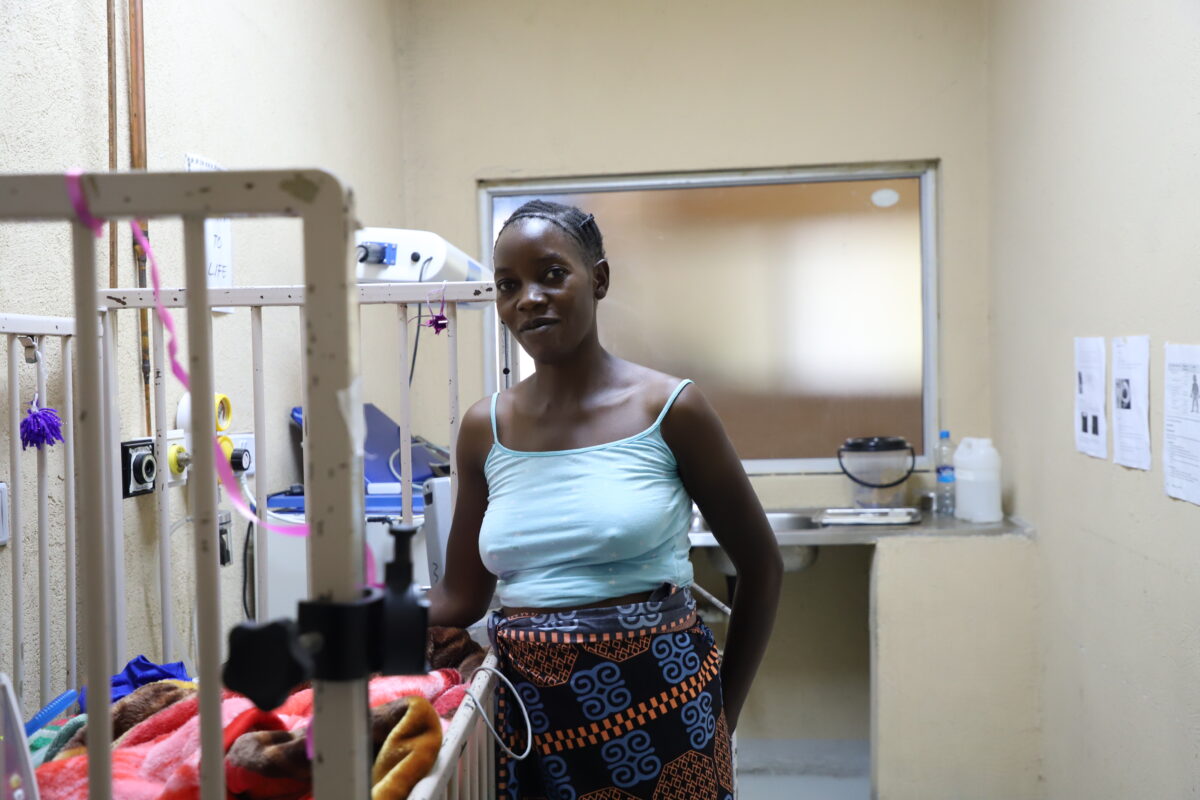
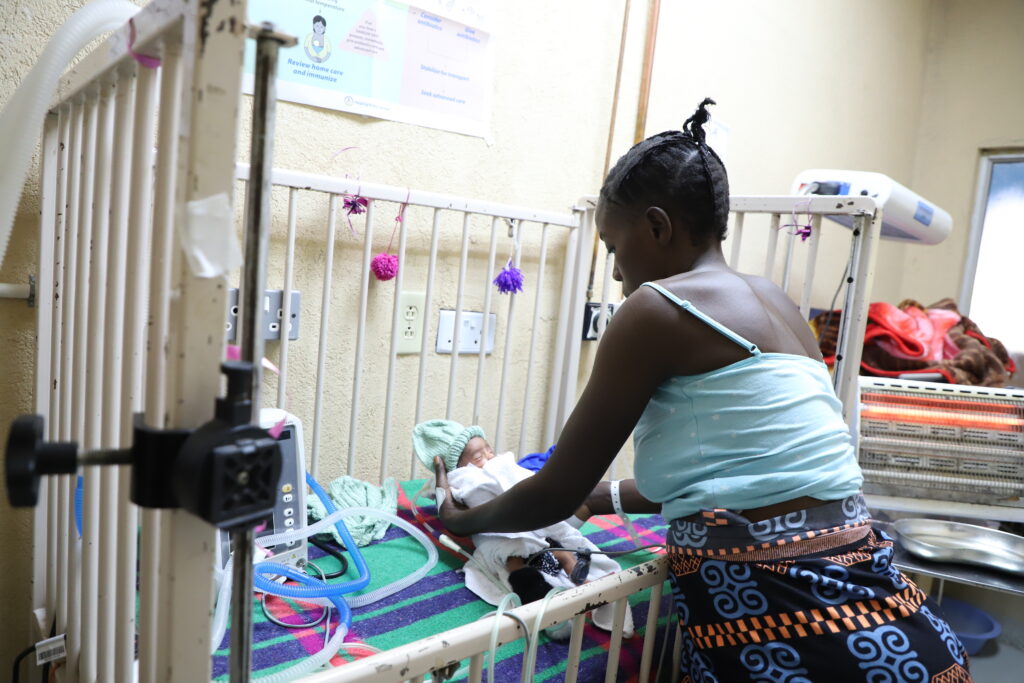
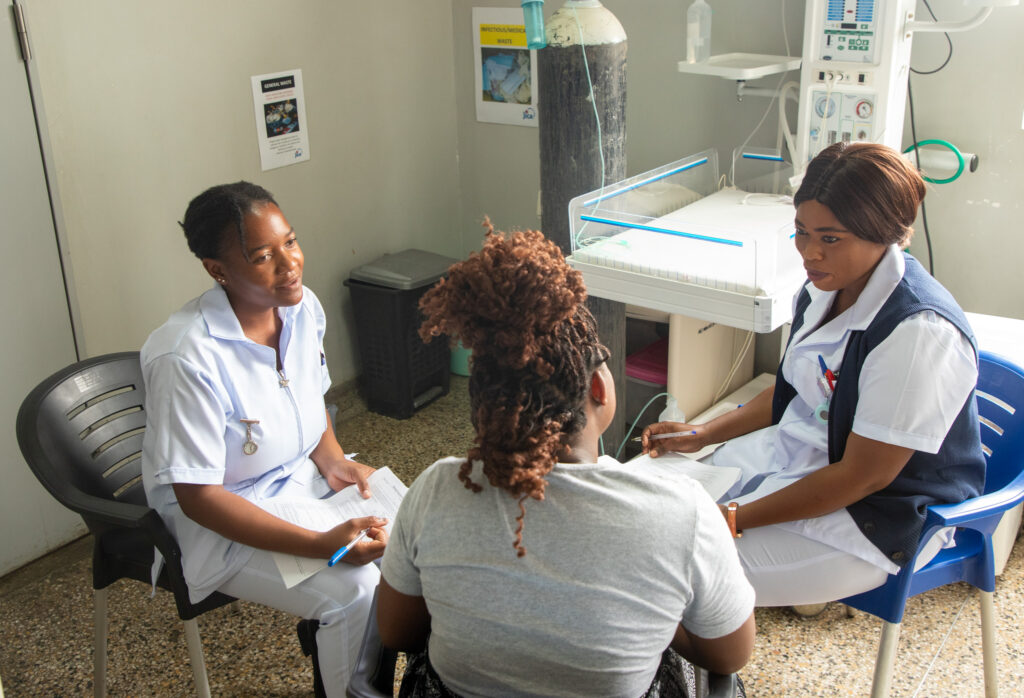
Through the Children and Mothers Partnership (CHAMPS) in Mwandi, over 22,000 pregnant women received antenatal care and delivered safely, while more than 122,000 children under five benefited from early and consistent follow-up care. Meanwhile, CHAMPS Lusaka reached 130,388 individuals with essential health services, including 19,793 pregnant women and 110,595 children under five. Notably, 18,559 pregnant women delivered in health facilities with skilled health personnel, and 2,307 women received their first antenatal care within 14 weeks reflecting strengthened maternal and child health services.

These numbers represent more than statistics. They are lives touched, communities strengthened, and futures changed!

In partnership with the Ministry of Health an innovation also marked our groundbreaking mental health initiatives, introducing PSYPACK, a digital application for comprehensive mental health assessments in the community and especially the Maternal Health Unit at Kanyama Level One Hospital in Lusaka, a hospital that covers a population of more than 600,000 people.

Our Cervical Cancer Projects reaching 8,956 women cervical cancer screening, and 6,403 adolescent girls vaccinated against the human papillomavirus (HPV). In addition, over 196,000 community members were reached through awareness campaigns, outreach, and education. In partnership with the Bristol Meyers Squibb Foundation (BMSF) as we implemented the Multinational Lung Cancer Control Project Zambia (MLCCP) we trained 34 Community Health Workers and 20 healthcare professionals, reaching 25,428 people with lung cancer awareness and education.

Across all our programs, our focus has remained on delivering integrated, context-responsive services that strengthen health systems, empower communities, and address long-term health needs. From maternal and child health to mental health, cancer screening, HIV and AIDS, reaching children with disabilities and the protection of children’s rights, our work continues to create sustainable impact.

To all our staff, community volunteers, partners, stakeholders, and supporters, thank you for your trust, guidance, and collaboration throughout the last year. With God leading and guiding us, we look forward to more in this new year!

To the communities we serve, you remain at the heart of everything we do.

May this year bring renewed hope, value, strength and joy for a healthy, prosperous, and impactful 2026.

With sincere gratitude,

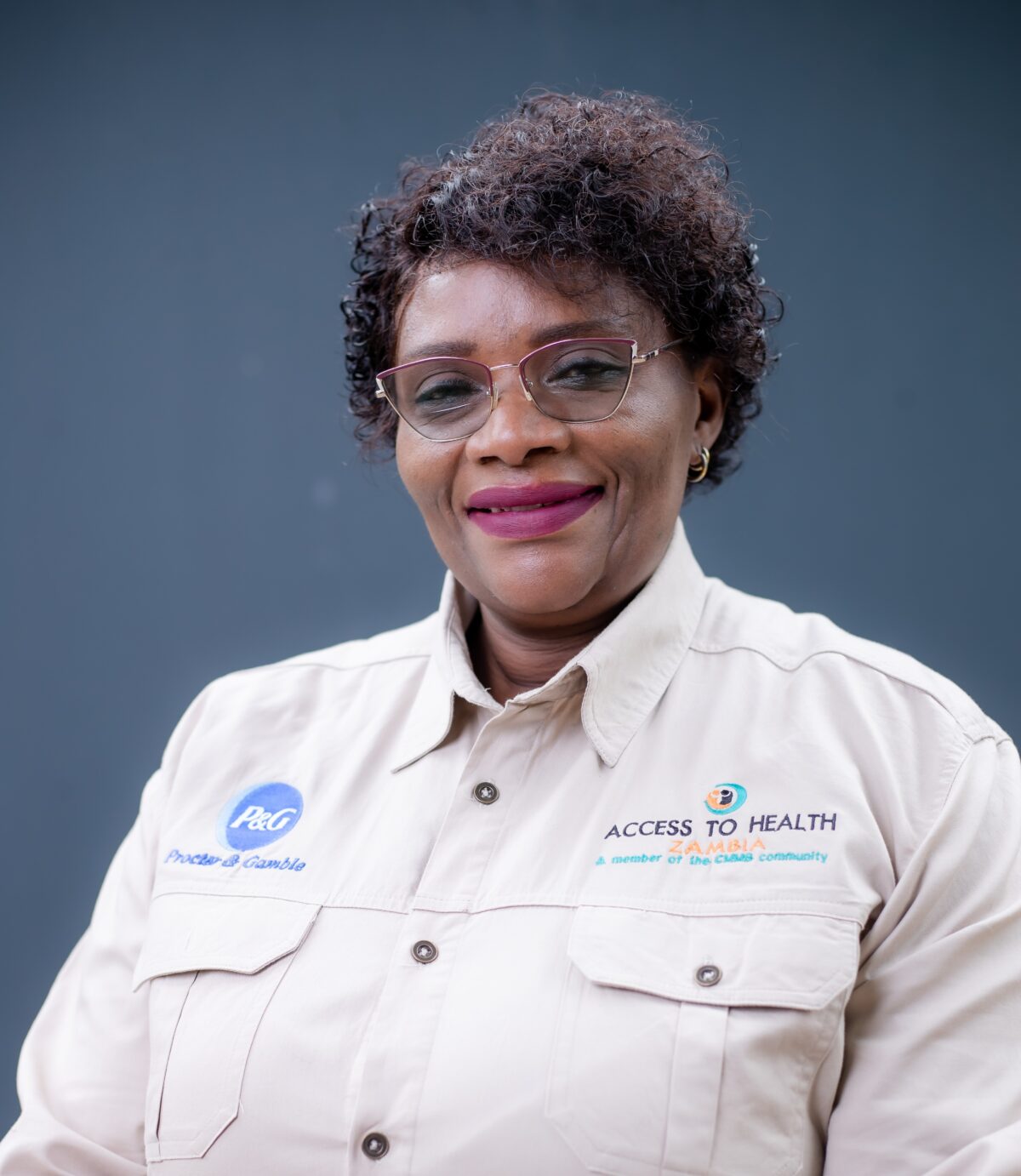
Batuke Walusiku-Mwewa
Chief Executive Officer
Access to Health Zambia

Improving Nutrition for Children with Disabilities and those in Childcare Facilities in Zambia: A Call to Action

Nutrition plays a critical role in a child’s development, yet many children—especially those with disabilities and those living in childcare facilities—still face significant barriers to receiving the nourishment they need to grow and thrive.

On 4th February 2025, Access to Health Zambia, in partnership with SPOON, conducted a dissemination meeting at Mika Kabulonga to share the findings from a study on improving nutrition and feeding for children with disabilities and those in childcare facilities in Zambia.

The event brought together key stakeholders, including representatives from the Ministry of Health, the Ministry of Community Development and Social Services, National Food and Nutrition Commission, and various civil society organizations. All united by the shared goal of improving nutrition for children with disabilities and those in childcare facilities or at risk of family separation.

During the event, Access to Health Zambia’s Chief Executive Officer, Mrs. Batuke Walusiku-Mwewa, recommended the collective efforts of SPOON and key government partners, including the Ministry of Community Development and Social Services and the Ministry of Health, in working towards improving the nutrition and feeding of vulnerable children.

“Every child, regardless of ability or circumstance, deserves access to adequate nutrition and care,” emphasized Mrs. Walusiku-Mwewa, calling on all stakeholders to move beyond discussions and take actionable steps toward addressing the nutrition and feeding challenges faced by children with disabilities and those in residential care. She reinforced the importance of collective responsibility to ensure no child is left behind.

Carolyn Moore, SPOON’s Director of Policy and Advocacy, echoed this urgency, emphasizing the importance of disability inclusion in nutrition programs. She highlighted Count Me In, a digital tool designed to improve nutrition and feeding services and practices for children with disabilities and those in childcare facilities.

She further urged the national trainers to utilize the “Count Me In” application to help train caregivers and healthcare professionals in overcoming feeding challenges for children with disabilities.

About the Research

The team presented the findings of the study conducted from June 2017 to August to assess the nutrition and feeding status of children with disabilities and those in childcare facilities in Zambia.

The study was carried out across 22 childcare facilities in Lusaka, Southern, Central, and Copperbelt provinces, as well as three health centers and ten community-based rehabilitation centers. A total of 397 children living in childcare facilities and 483 children with disabilities in family care were evaluated.

Among the children assessed, those under five in childcare facilities and those with disabilities were found to have significantly higher rates of undernutrition compared to national averages. Through qualitative interviews with caregivers and staff, the research also highlighted common feeding practices and systemic barriers preventing proper nutrition.

Many of the children exhibited signs of malnutrition, anemia, and stunted growth. These issues may be linked to improper feeding techniques, limited access to nutrient-rich foods, and barriers to accessing nutrition services.

These results underscored the urgent need for intervention and highlighted the importance of creating more inclusive and effective nutrition policies and programs.

The Roadmap for Action

A panel of government and civil society representatives discussed the way forward, and the event concluded with a roadmap for action to:

  • Prioritize children with disabilities and children without family care in nutrition strategies.
  • Scale up training and tools like ‘Count Me In’ to ensure no child is left behind.
  • Strengthen the support systems around children to improve their nutrition and feeding.
  • Expand data collection and research to continually monitor and address nutrition challenges.

The event was not just a dissemination of research findings and an exchange of ideas; it’s a call to action—a reminder that behind every statistic is a child whose future depends on the decisions made today. Access to Health Zambia and SPOON reaffirmed their commitment to ensuring that every child, regardless of their circumstances, receives the nourishment they need to grow and thrive.

Through this partnership, we are working together to create a more inclusive, impactful approach to child nutrition in Zambia.

For more information on the research and findings, click on the presentation attached.