
Strengthening Biomedical Systems to Improve Access to Health Care

In many developing countries, nearly 70% of medical equipment is nonfunctional due to a lack of manpower, technical support and sustainable maintenance systems (World Health Organization).
This situation places significant strain on already overstretched health systems, where simple technical failures can interrupt critical services such as diagnosis, monitoring and emergency care. As a result, patients are often forced to travel long distances or face delays in receiving essential treatment, further widening gaps in access to quality healthcare.
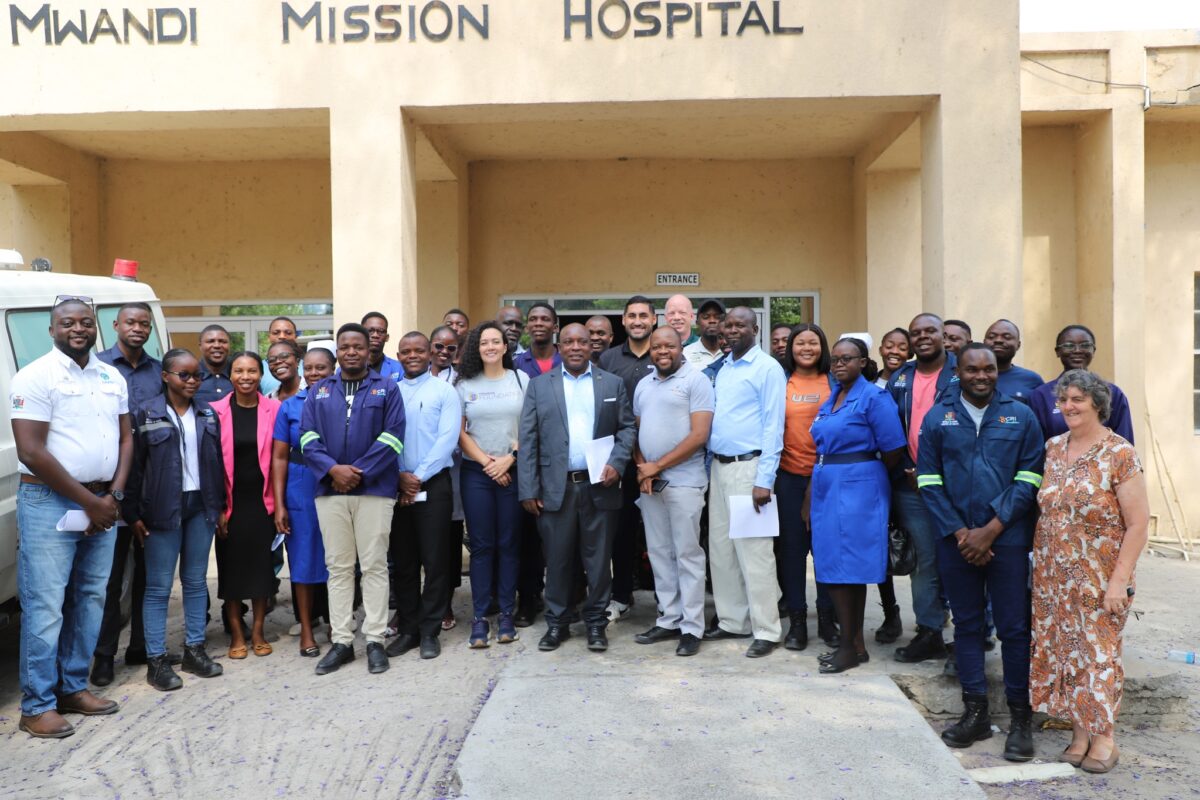
To address this gap and strengthen the capacity of local health systems, in October 2025, Access to Health Zambia (A2HealthZ), with financial support from CMMB, conducted a Medical Equipment Repair and Capacity Building Training at Mwandi Mission Hospital.
Facilitated by the TRIMEDX Foundation, the training was designed to equip Biomedical Technologists with practical skills in calibrating, troubleshooting, repair and preventive maintenance of medical equipment, as well as effective communication with healthcare staff and hospital management. It brought together thirteen Biomedical Equipment Technologists from rural health facilities across Western Province.
Six Months after the training, A2HealthZ followed up with the trained biomedical technologists to document the lasting impact on equipment uptime, clinical service delivery, and health system resilience. What emerged was a story of strengthened confidence, improved collaboration, and tangible institutional change.
Voices From the Trained Biomedical Engineers:
Suzyo, a Biomedical Technologist at Mwandi Mission Hospital, shared how the training has directly improved her technical skills and daily work.
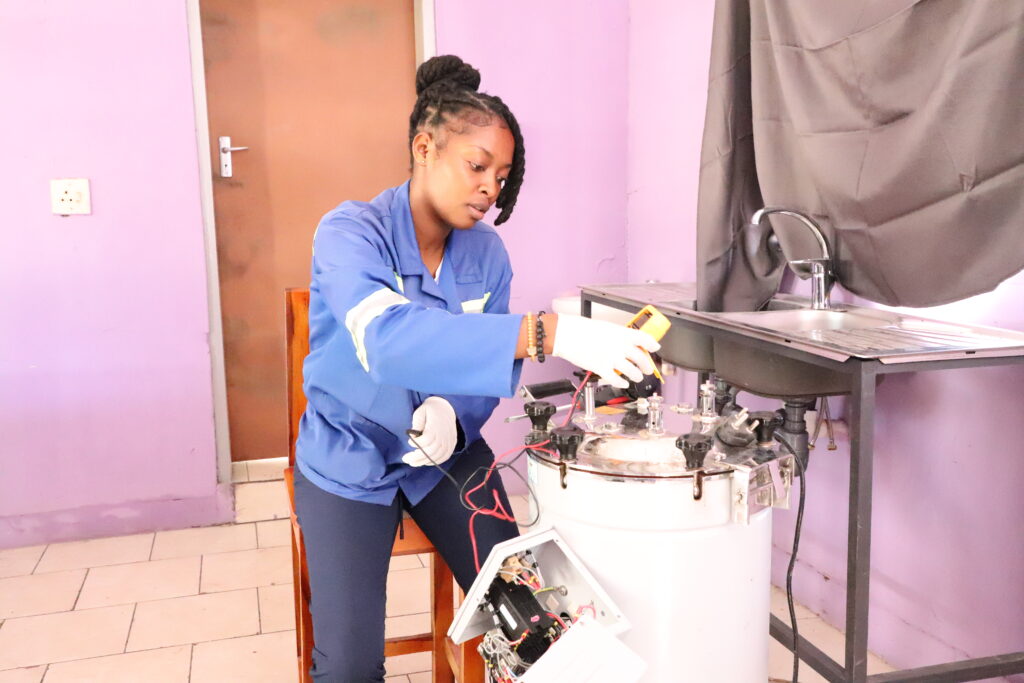
“Before the training, we experienced constant breakdowns of medical equipment. Many machines would remain out of service for long periods. As a department, we had limited capacity to repair them quickly and no dedicated budget for spare parts,” she explained.
“This often disrupted service delivery, delaying diagnosis and treatment for patients who depend on equipment such as patient monitors, ultrasound machines and oxygen concentrators,” she adds.
Since attending the training, Suzyo’s ability to respond to faulty medical equipment has significantly improved. “The practical sessions really helped me understand how these machines work and I can now identify problems faster and fix them before they cause long downtime.”
Sherman, a Biomedical Technologist from Lwampa District Hospital in Luampa District, shared how the training has strengthened both his technical ability and confidence in handling equipment repairs.
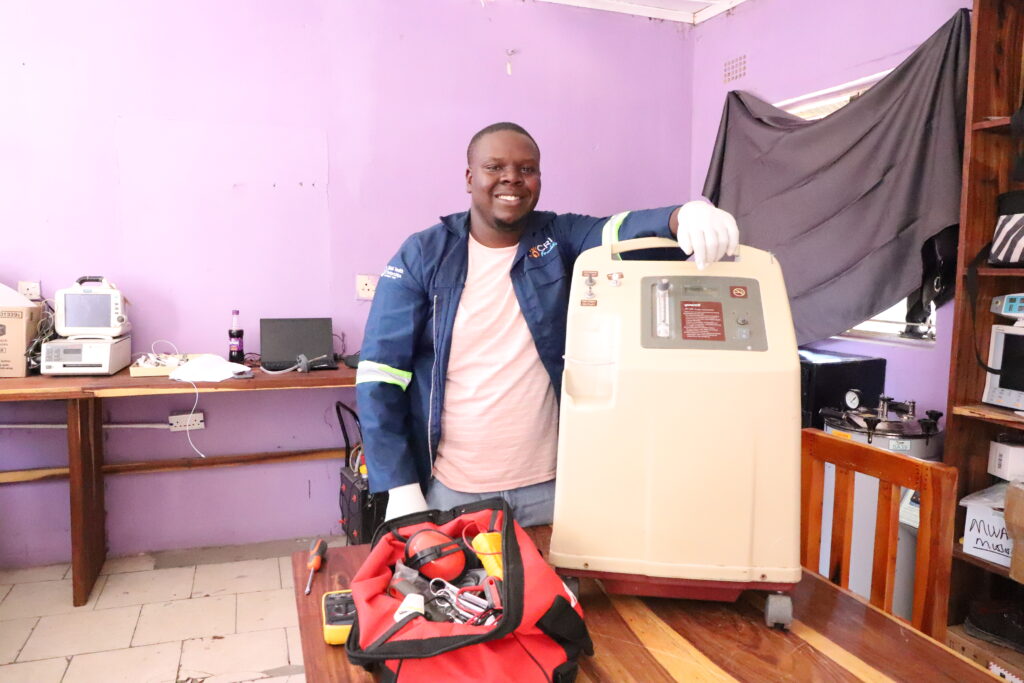
“Before the training, I used to struggle with troubleshooting and I wasn’t confident in my decisions. I also found it difficult to approach management about equipment issues,” he said.
Since the training, Sherman’s ability to diagnose and repair equipment has greatly improved,
“Now I am able to troubleshoot equipment much more effectively and carry out repairs with confidence,” he explained. “I can quickly identify problems, fix faults and restore equipment back into service.”
“I am very grateful to A2HealthZ for the training. The facilitators didn’t just teach us how to repair machines they helped me understand how to think through problems and apply practical solutions. This has completely changed how I approach my work.”
Voice from Hospital Management:
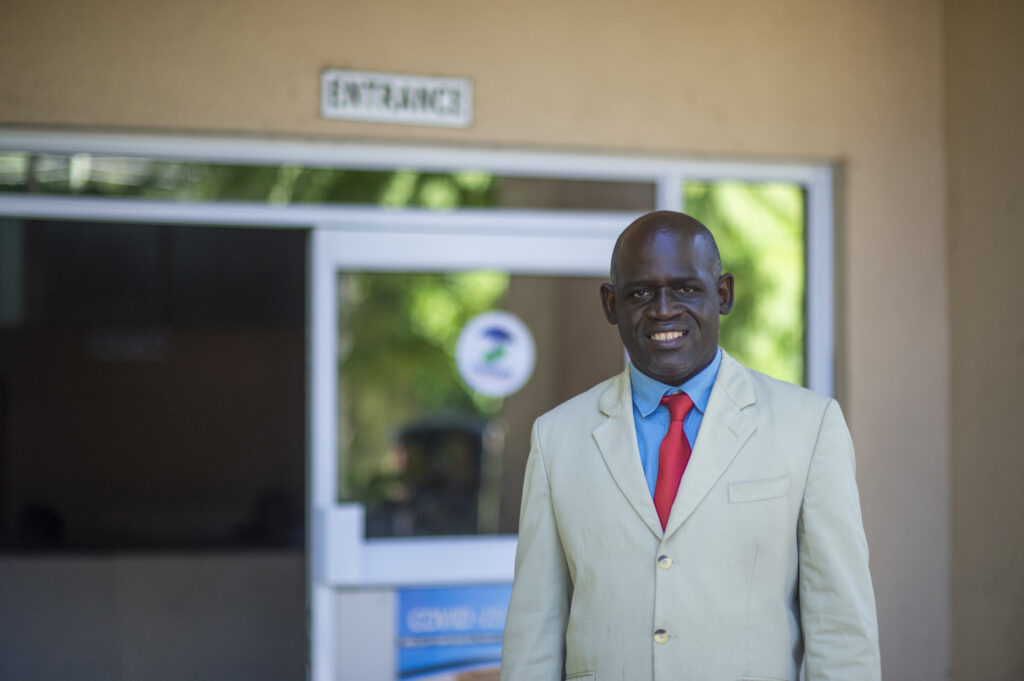
Pastor Harold, Senior Hospital Administrator at Mwandi Mission Hospital, highlighted how the initiative has transformed their approach to equipment management.
“We are very grateful for the training to A2HealthZ, CMMB and TRIMEDX Foundation. The training was hands-on and focused on practical skills, which our team needed. Many of our biomedical staff are young and new to the field. Hence, it gave our team real exposure. It built their confidence and skills in a very practical way.”
“As a mission hospital, we receive a lot of equipment from the United States. Some of it is not commonly available locally, which makes maintenance challenging. The training provided the specific orientation and skills we needed to manage such equipment effectively.”
One of the most significant outcomes is that the training sparked a shift in perception across the hospital. “Previously, we only looked for funds when equipment broke down, he said. “But now, for the first time, we have set aside $250 every month specifically for repair and preventive maintenance.”
This initiative demonstrates what strong partnerships can achieve when shared expertise and investment in local capacity come together to address real challenges on the ground. Through such partnerships, it is possible to build sustainable solutions that not only strengthen skills but also improve service delivery and ultimately enhance health outcomes for communities.
A2HealthZ extends its gratitude to TRIMEDX Foundation for their invaluable partnership, technical support, and commitment to strengthening health systems, which made this intervention possible.